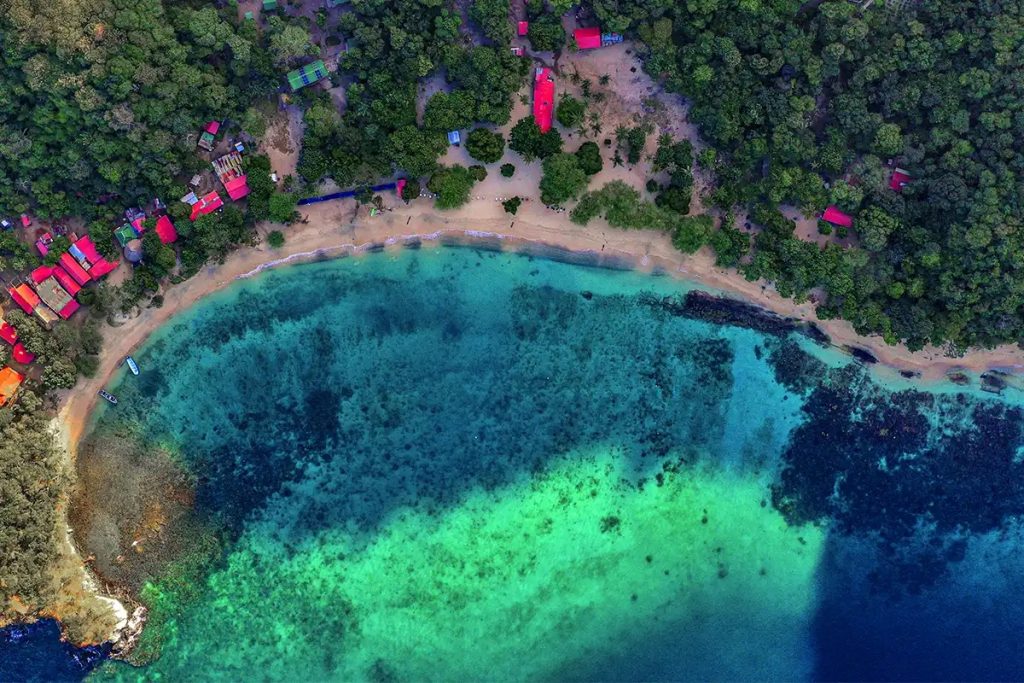
Putting on your mask and seeing the Caribbean seabed just a few meters from the lancha is one of the best moments of a day at sea in Santa Marta. The advantage of taking a private lancha is that you can reach spots with clear water without long walks and set your own schedule along the route.
In this guide, we’ll tell you which snorkeling spots you can visit from the Santa Marta International Marina Internacional de Santa Marta, what to expect at each one, what to bring, and how to protect the reef. We’ll also explain what options are still available when Parque Tayrona is closed.
Why Go Snorkeling from a Private Motorboat
At Serenity Boat Rental, you rent the entire motorboat, and only your group goes on board. This changes the snorkeling experience: you can spend more time in the water at the spot you like best and less time on the beach—or vice versa—always within the agreed-upon itinerary and as directed by the captains.
Every trip includes two certified captains, fuel, and safety equipment. They know the sea conditions and will tell you where and when it’s safe to go in the water. The day tour runs from 9:00 AM to 5:00 PM, so there’s time for several stops.
The best snorkeling spots by motorboat
Playa Cristal (Parque Tayrona)
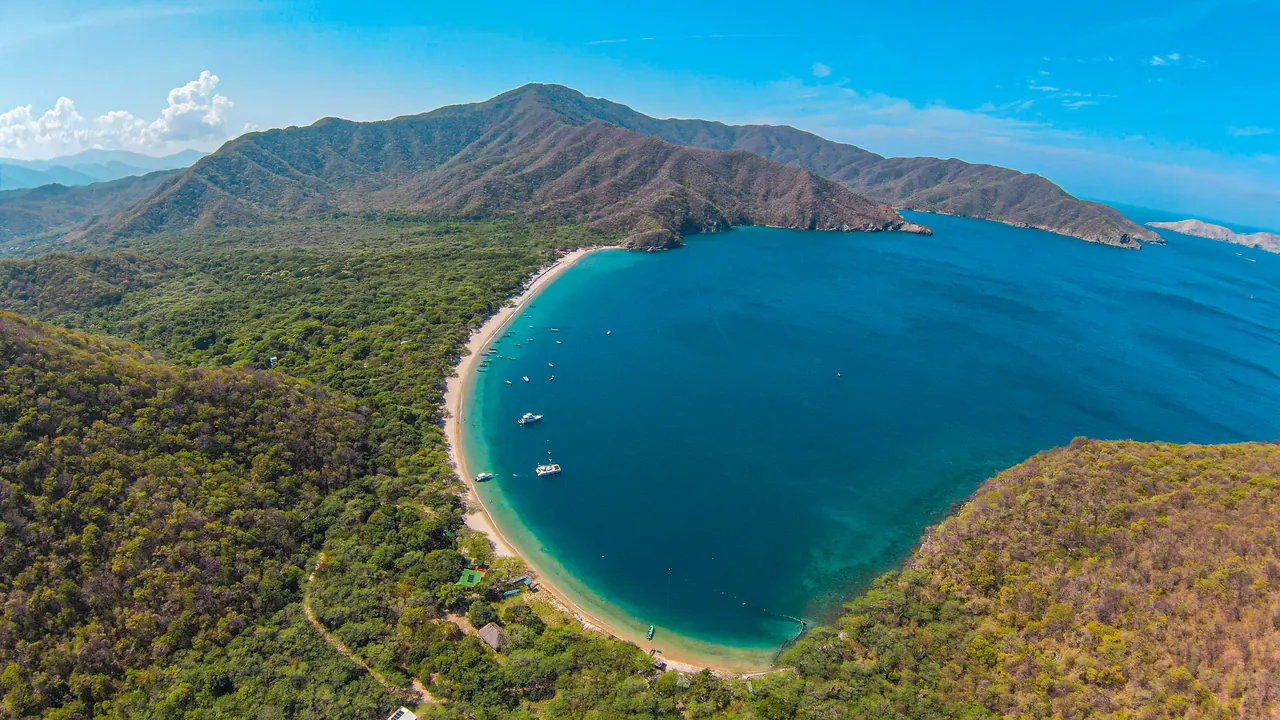
Playa Cristal is the name that comes up most often when people talk about snorkeling in Santa Marta, and for good reason: its crystal-clear water lets you see the reef from the surface. It’s located within Parque Tayrona National Park, so you’ll need to pay the park entrance fee in addition to the departure tax.

The trip to Playa Cristal starts at 2,250,000 COP for the entire motorboat in 2026. You can find the details on the private motorboat to Playa Cristal page.
Cinto (Parque Tayrona)
Cinto is a bay in Tayrona National Park that is accessible by sea. Its green, crystal-clear waters are ideal for snorkeling near the shore, always following the crew’s instructions. Prices start at 2,400,000 COP for the lancha; see the information on the private lancha to Cinto in Tayrona.
Bajo Bello Horizonte
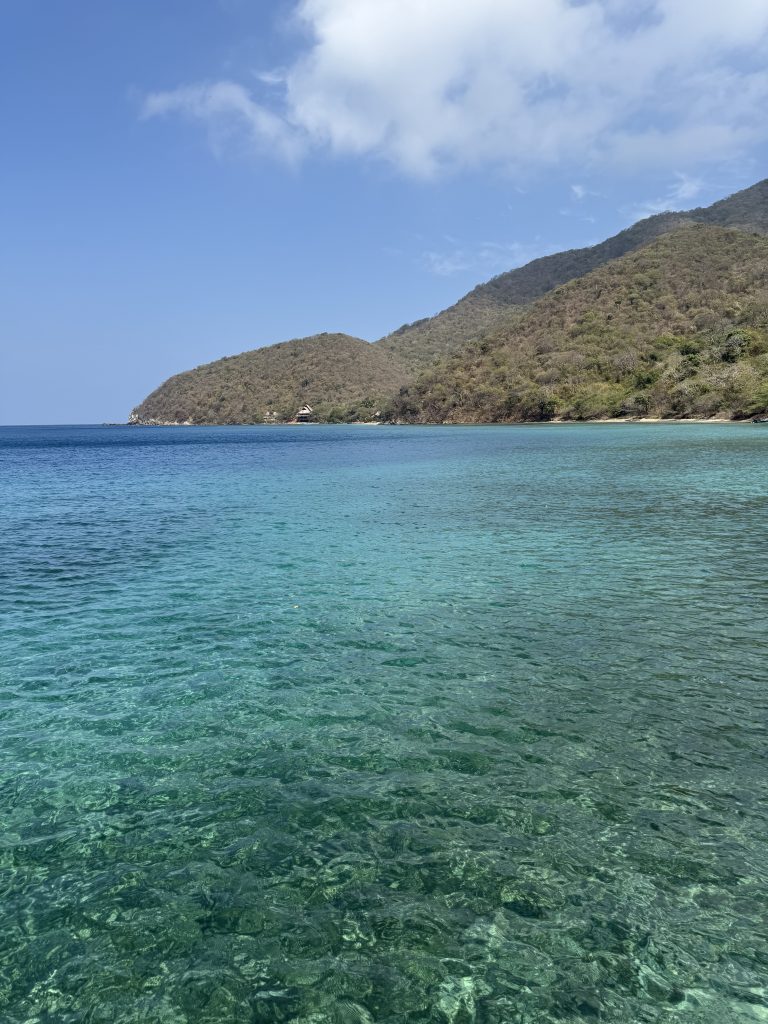
Bajo Bello Horizonte is a snorkeling spot outside Tayrona National Park, making it a very useful alternative when the park is closed. It is combined with Inca Inca on the private boat route to Inca Inca and Bajo Bello Horizonte, the price of which is quoted via WhatsApp.
Inca Inca
Inca Inca is a quiet beach near Santa Marta, also outside the park. It’s a good option for those who want their first snorkeling experience at a leisurely pace, with time to relax on the sand.
Granate
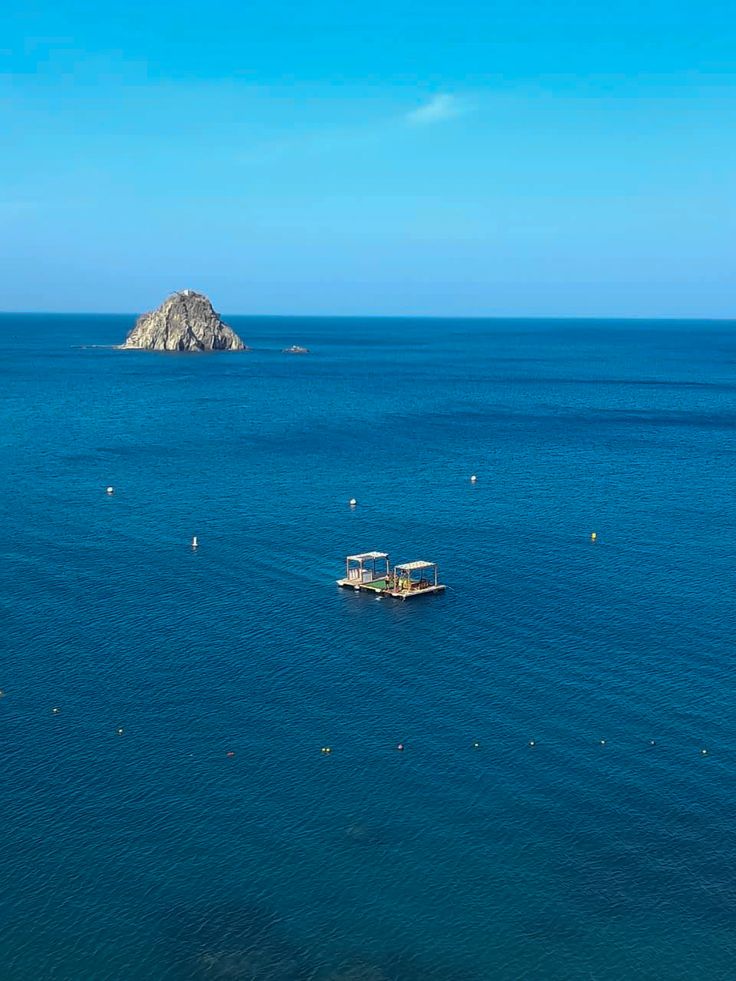
Granate appears on two of our routes: next to Bahía Concha, starting at 2,100,000 COP for the motorboat, and on the Taganga, Playa Grande, and Granate combination tour. Ask the team what the water conditions are like that day for snorkeling.
What to Expect Underwater
Snorkeling in Santa Marta takes place along the coastal reef: you swim on the surface and look down. Visibility depends on the day. Wind, waves, and recent rain can cloud the water, even at the most famous spots.
Generally, the sea tends to be calmer in the mornings. During the dry season, roughly from December to April, the trade winds blow stronger and the sea can get choppy in the afternoon. That’s why it’s best to go snorkeling at the first stop of the day whenever possible.
What to Bring for Snorkeling
If you have your own gear that fits you well, bring it: a mask that doesn’t fog up and keeps water out makes all the difference. If you don’t have gear, ask via WhatsApp when you book.
- A mask and snorkel in your size, and fins if you use them.
- A spandex T-shirt or long-sleeved shirt to protect your back from the sun.
- Coral-friendly sunscreen, applied well in advance of entering the water.
- A towel, dry clothes, and a dry bag for your phone.
- Enough water for the whole day.
- Cash is required for the departure tax (12,000 COP per person) and park admission if the route enters the Tayrona National Park.
If this is your first boat trip, be sure to check out our practical guide to Santa Marta for international travelers, with details on documents, money, and health.
Water Safety
Snorkeling is a simple activity, but the open sea requires caution. Before you jump in, follow these basic rules:
- Listen to the captains’ instructions about where to swim and where not to.
- Never swim alone; bring a buddy and keep an eye on each other.
- If you are not a strong swimmer, wear a life jacket even when in the water.
- Stay away from the engine area and other boats.
- Get out of the water if you feel cold, tired, or have cramps.
- Do not drink alcohol before swimming.
The American Red Cross has a clear guide on water safety that’s worth reading before your trip, especially if you’re traveling with children.
Take care of the reef while you enjoy it
Reefs are fragile and grow very slowly. Even a slight brush with a fin or a hand resting on the coral can damage it. To keep these places as beautiful as they are:
- Do not touch, step on, or stand on the coral.
- Control your fins and keep your distance from the bottom.
- Do not feed the fish or collect shells, rocks, or coral.
- Take all your trash back with you.
Regarding sunscreen, NOAA explains how certain ingredients can affect corals on its page about sunscreen and reefs. Additionally, within Tayrona National Park, there are specific park rules that are worth reviewing on the official Parque Tayrona website.
Snorkeling when Tayrona is closed
Parque Tayrona has scheduled closures in 2026: February 1–15, June 1–15, and October 19–November 2, with the park reopening on November 3. During those days, none of its beaches can be visited, not even by boat, so Playa Cristal and Cinto are off-limits. Always confirm the dates on the official website.
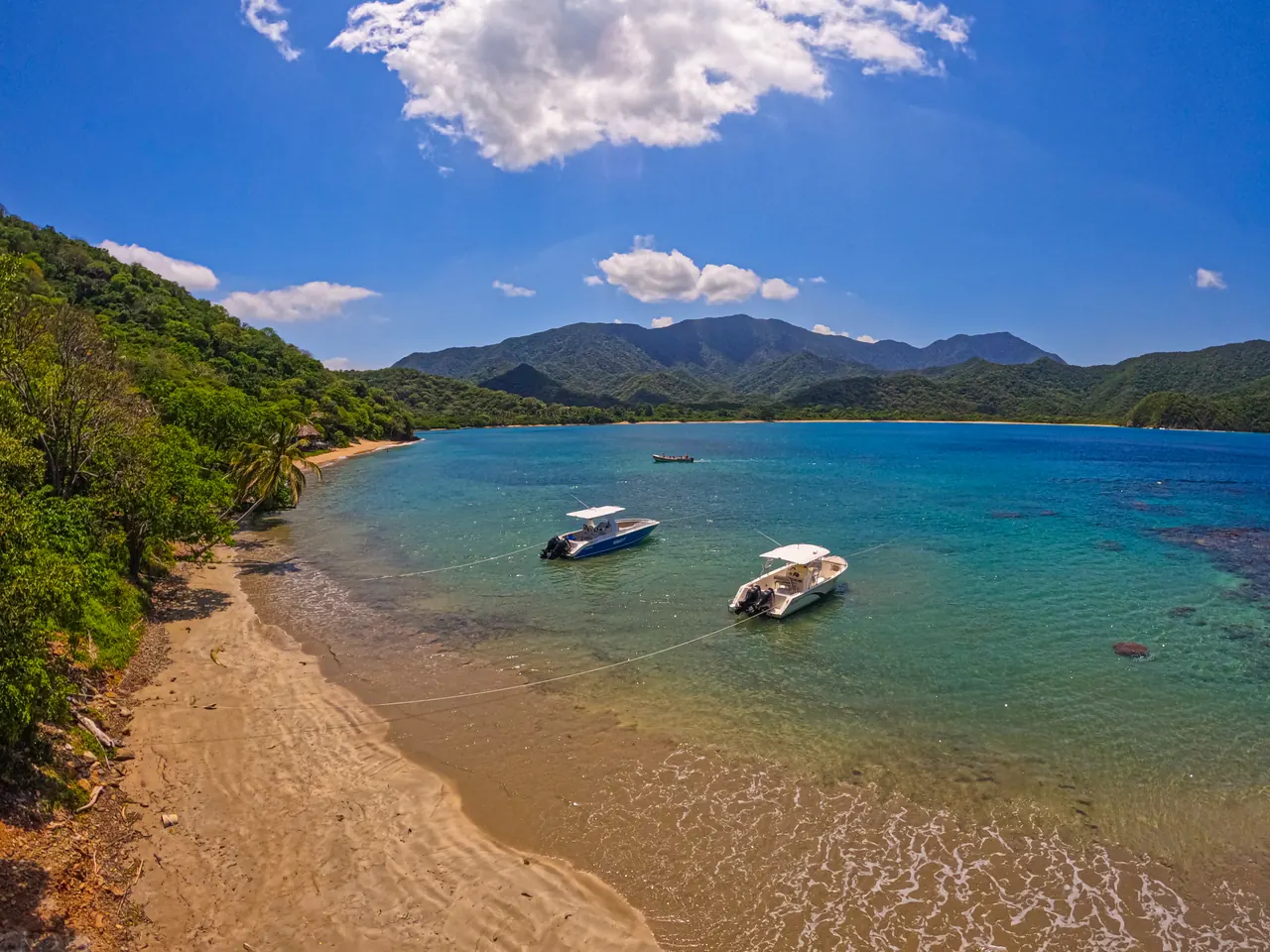
During those weeks, Bajo Bello Horizonte and Inca Inca are your best options for snorkeling. If you want to see all the possible combinations, check out the boat tours from Santa Marta.
Frequently Asked Questions
Do I need to know how to swim to go snorkeling?
Ideally, you should be a confident swimmer. If you’re not, wear a life jacket in the water and stay close to the shore or the boat, as directed by the crew.
What is the best snorkeling spot in Santa Marta?
Playa Cristal is best known for its crystal-clear water. When Tayrona is closed, Bajo Bello Horizonte is the recommended alternative for snorkeling.
Is snorkeling gear included?
The rental includes fuel, safety equipment, and two captains. For snorkeling gear, ask via WhatsApp when booking.
What’s the best time to go snorkeling?
Generally, in the morning, when the sea is usually calmer. The captains will decide the order of the stops based on the conditions of the day.
Plan your snorkeling route. Choose between Playa Cristal, Cinto, or Inca Inca with Bajo Bello Horizonte, and message us on WhatsApp from the private boat reservation page with your dates and the number of people.