

Seasickness is one of the most common concerns before a boat trip. The good news is that, with a little preparation, most people can enjoy a day at sea without any problems. And for those who are more susceptible, there are options to minimize discomfort.
In this guide, we explain why seasickness occurs, what to do before, during, and after the trip, where to sit on the lancha, and which routes and schedules are best if you know you get seasick easily in Santa Marta.
Why You Get Seasick on a Lancha
Motion sickness occurs when your brain receives conflicting signals. Your inner ear detects the boat’s rocking motion, but your eyes—especially if you’re looking at your phone or the floor—tell your brain that everything is still. This confusion can cause nausea, cold sweats, headaches, or fatigue.
The NHS, the UK’s national health service, provides a good summary of the causes and symptoms on its page about motion sickness. It doesn’t affect everyone the same way: some people never get seasick, while others feel it even with just a slight swell.
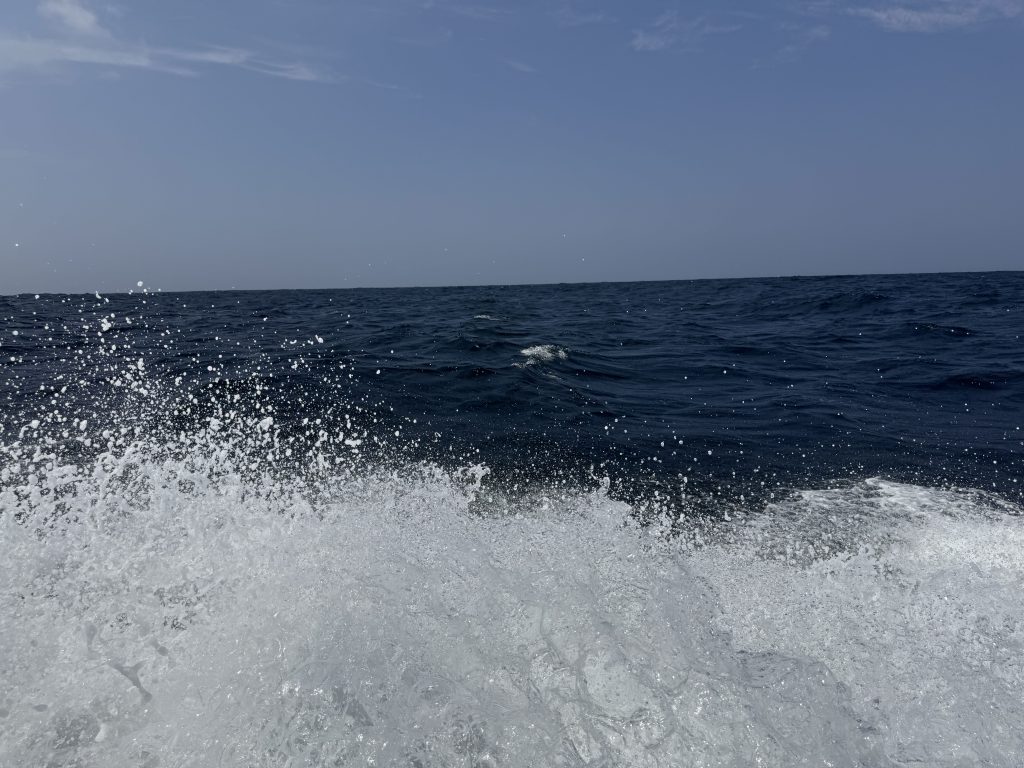
Before the trip: get ready the night before
What you do the day before has a big impact on how you feel out on the water.
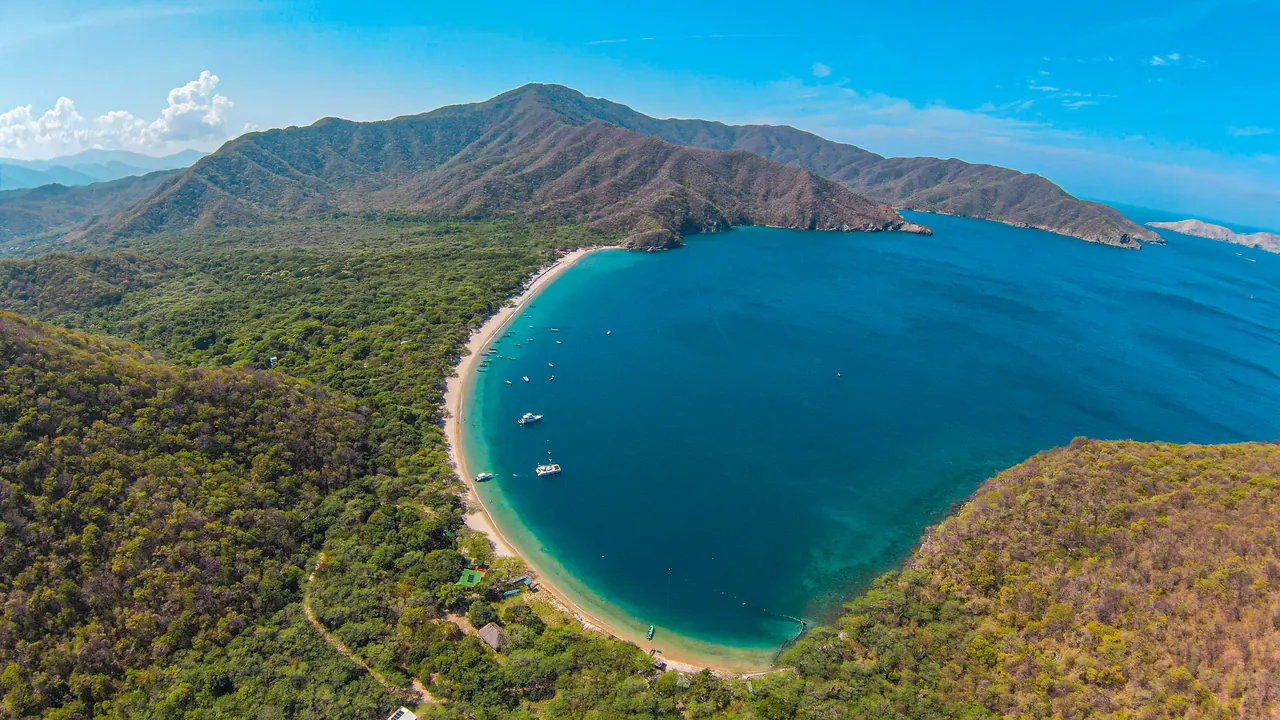
- Get a good night’s sleep. Fatigue increases your susceptibility to seasickness.
- Avoid drinking too much alcohol the night before.
- Eat a light breakfast. Don’t eat on an empty stomach, and avoid heavy or greasy meals.
- Stay hydrated starting early in the day.
- Consult your doctor or pharmacist if you plan to take any medication for motion sickness. Some must be taken before boarding and may cause drowsiness, so you need professional guidance.
For the rest of your luggage, check out our checklist of what to bring on a lancha trip.
During the trip: where to sit and what to do
The best spot on board
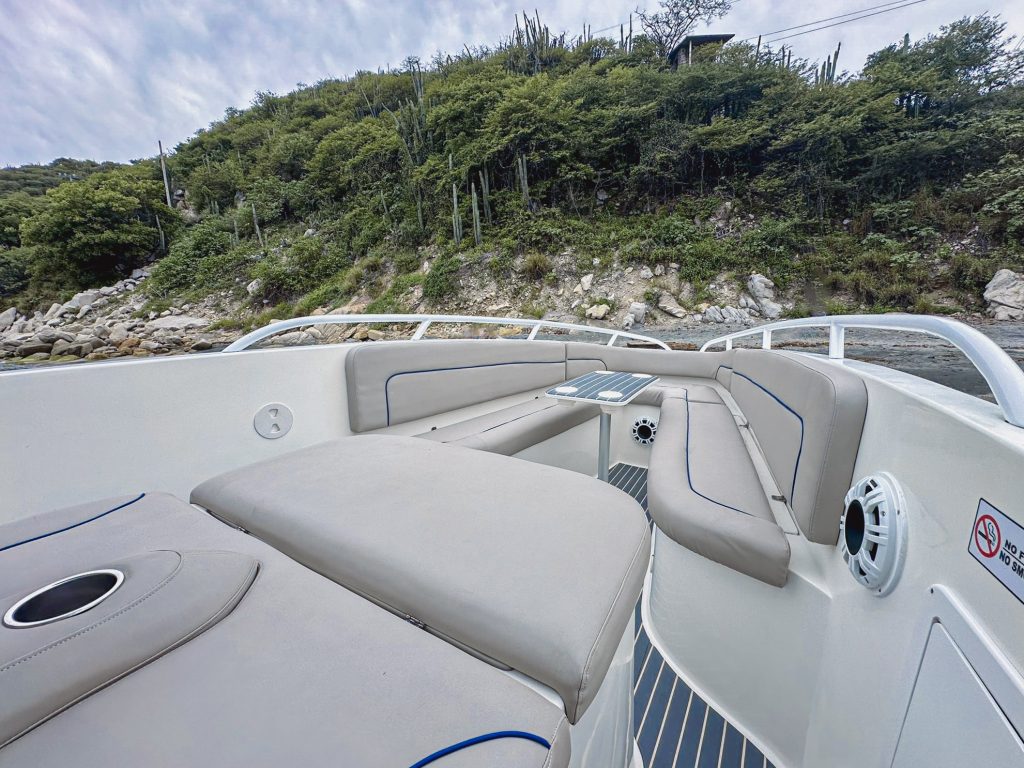
On a lancha, the bow (the front) rises and falls the most with the waves. If you’re prone to seasickness, sit toward the center or the back, where the motion is usually less noticeable. Captains can advise you on the best seat based on the sea conditions that day.

Helpful Habits
- Look at the horizon. Fixing your gaze on a distant, steady point helps your brain process the motion.
- Put your phone away. Reading or looking at the screen while sailing is one of the most common causes of seasickness.
- Get some fresh air. The breeze on your face helps relieve the feeling of nausea.
- Stay in the shade. The heat and direct sunlight make you feel worse; use the awning.
- Take sips of water and eat something light, such as crackers or fruit.
- Let the crew know if you start to feel sick. There’s no need to feel embarrassed—they can help you.
At the stops
Once we’ve anchored at a beach, the pace changes. For many people, stepping onto the sand or wading into the water quickly relieves any discomfort. Take advantage of these stops to rest, grab a bite to eat, and recharge before continuing on.
Choose the right time: mornings are usually calmer
In Santa Marta, the sea is usually calmer in the morning. During the dry season, roughly from December to April, the trade winds blow more strongly and the sea can get choppy in the afternoon, especially between December and March.
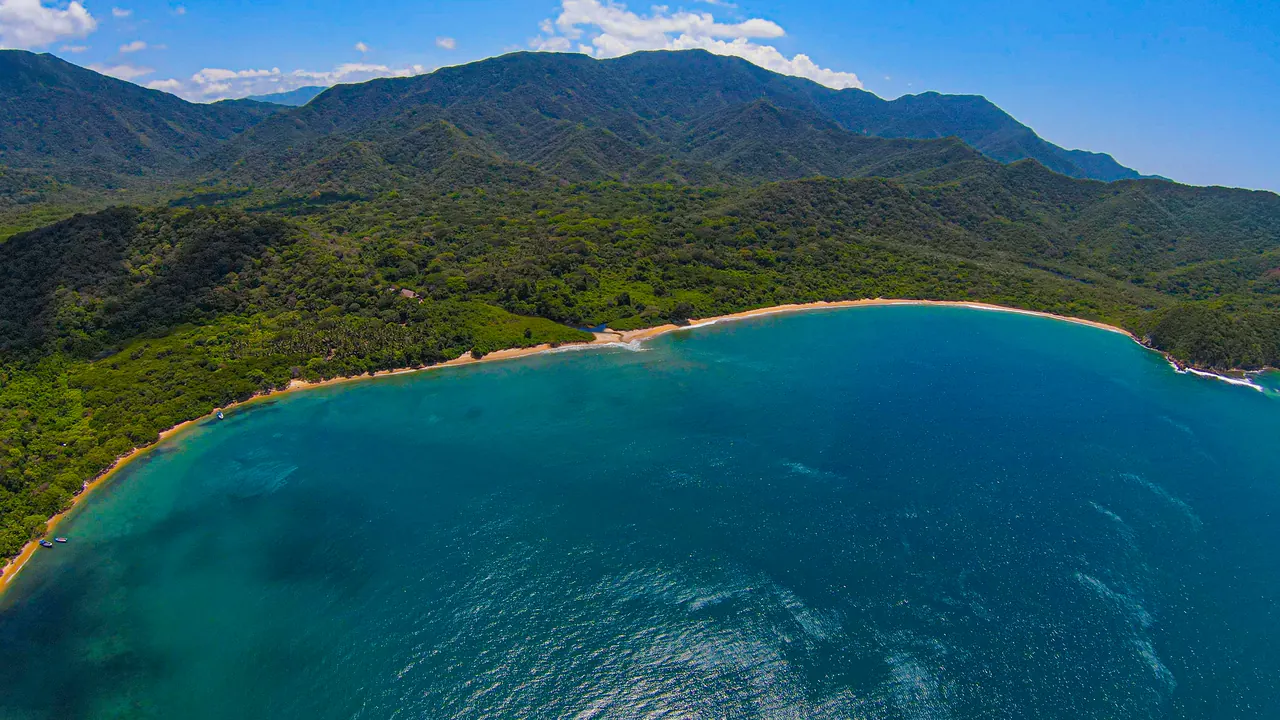
That’s why the day tour, which departs at 9:00 AM, takes advantage of the calmer hours for the longer stretches. The rainiest months, from May through November—with October and November typically being the wettest—also bring changes in sea conditions. For weather information, you can check with IDEAM, Colombia’s official meteorological agency.
The final decision to sail is made by the captains, based on the conditions of the day and the instructions of the maritime authority, DIMAR, which authorizes departures and may close the port due to bad weather.
Recommended routes if you’re prone to seasickness
If you know you get seasick, a route with shorter trips and more time on the beach is usually a better option than a long tour with many stops. Ask the team via WhatsApp which route is best based on sea conditions on your travel date.
- Inca Inca and Bajo Bello Horizonte: combine a quiet beach with a snorkeling spot outside the park. Check out the private boat route to Inca Inca and Bajo Bello Horizonte.
- Acuario del Rodadero: a simple outing with plenty of time on land. Check out the private motorboat trip to the Acuario del Rodadero.
- Sunset Tour: from 4:30 PM to 8:00 PM, shorter than the daytime tour. Experience the sunset by motorboat in Santa Marta.
Please note that from October 19 to November 2, 2026, Parque Tayrona is closed, so Playa Cristal, Cinto, and Bahía Concha cannot be visited during those dates. We explain the reason in the article about why Parque Tayrona closes.
After the trip and when to see a doctor
It’s normal to feel a slight sensation of rocking for a while after getting off the lancha. Rest, stay hydrated, and eat something light.
Consult a doctor if your symptoms do not go away after several hours, if you are vomiting repeatedly and unable to stay hydrated, or if you have other symptoms that concern you. If you are pregnant, have a medical condition, or are traveling with young children, speak with a healthcare professional before the trip and before taking any medication.
Frequently Asked Questions
Will I get seasick on a lancha ride?
It depends on the individual and the sea conditions. With plenty of rest, a light breakfast, a good spot on board, and a view of the horizon, many people are able to avoid it.
Where should I sit if I get seasick easily?
Head toward the center or the back of the lancha, where it’s shady and there’s a cool breeze. Avoid the bow when there are waves.
Can I take a pill for motion sickness?
Consult your doctor or pharmacist before taking any medication. They will tell you which one is right for you and when to take it.
Is the morning trip or the afternoon trip better?
The sea is usually calmer in the mornings. The sunset tour is shorter, which also works better for some people.
Enjoy your trip. Let us know via WhatsApp if you’re prone to seasickness, and we’ll help you choose a route and schedule. Message us from the private motorboat booking page in Santa Marta.