

A motorboat ride through Santa Marta treats you to scenes that beg to be photographed every minute: turquoise water, cliffs, beaches that appear around a headland, and the sun setting over the sea. But the sea also presents challenges: splashes, motion, strong reflections, and the very real risk of your cell phone ending up in the water.
This guide brings together practical tips for taking the best photos and videos on a motorboat trip: what time of day offers the best light, how to protect your equipment, how to get the most out of an action camera, what to keep in mind before flying a drone, and which shots work best on each route.
Lighting: The Best Times to Take Photos at Sea
Light changes everything. At noon, the sun is directly overhead, the water reflects a lot, and faces appear with harsh shadows under the eyes. In contrast, the light in the morning and late afternoon is softer and brings out the colors of the sea.
- Morning (day tour, starting at 9:00 AM): The sea is usually calmer, and the light is crisp. It’s a great time to take photos of the crystal-clear water and the arrival at the beaches.
- Noon: Take advantage of this time for underwater photos, where the vertical light illuminates the seabed, or for portraits in the shade of the awning.
- Late afternoon and sunset: the golden hour. The sunset motorboat tour, from 4:30 to 8:00 PM, is designed to let you experience this light in its entirety, from the golden hour through to dusk.
A tip for bright sunlight: polarized sunglasses help you see the screen better, and if your camera supports a polarizing filter, it reduces glare from the water and makes the turquoise color look more intense.
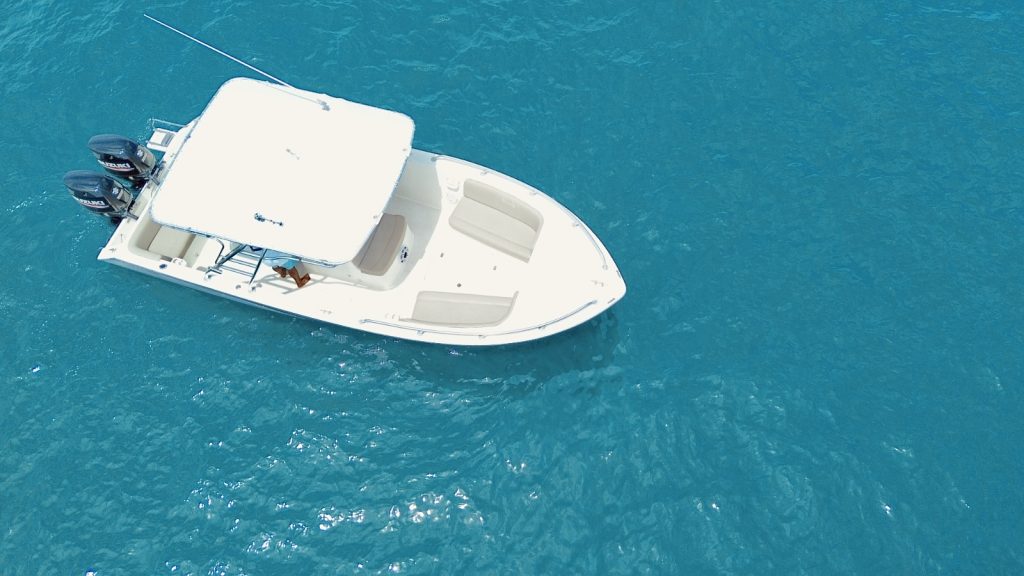
How to Protect Your Cell Phone and Camera
Saltwater and sand are the biggest enemies of your equipment. Before boarding the lancha, prepare the basics:
- Waterproof cell phone case with a cord to hang it around your neck or wrist.
- Dry bag for storing a camera, portable charger, and documents during trips.
- Microfiber cloth for wiping salt droplets off the lens; a single drop can ruin any photo.
- Fully charged battery and portable charger, because recording video uses a lot of power.
- Free memory space before departure.
While traveling at speed, secure your equipment. The motorboat may bounce on the waves, and splashes can come without warning. Take out your camera when the captains slow down or upon arriving at each beach. If you want a complete checklist for the day, check out what to bring on a motorboat trip in Santa Marta.
Action Cameras: Tips for GoPro and Similar Models
An action camera is ideal for the water: it’s waterproof (always check your model’s specifications) and allows you to record underwater.
Before the trip
- Check that the seal on the casing or lid is clean and tightly closed.
- Use a wrist strap or a camera float: if it comes loose, it will float and won’t get lost.
- Set the stabilization mode and a resolution that your phone can easily handle.
On the water
- Film at a shallow depth, near the surface, where there is more light and color.
- Move slowly; sudden movements result in videos that make viewers feel dizzy.
- Try the half-water, half-air shot: the camera at water level shows both the seabed and the beach at the same time.
- Do not touch or lean on the coral to get the shot.
The best spots for underwater photos are usually the snorkeling sites. Check out our guide to snorkeling in Santa Marta from a private motorboat.
Drones: Check the rules before flying
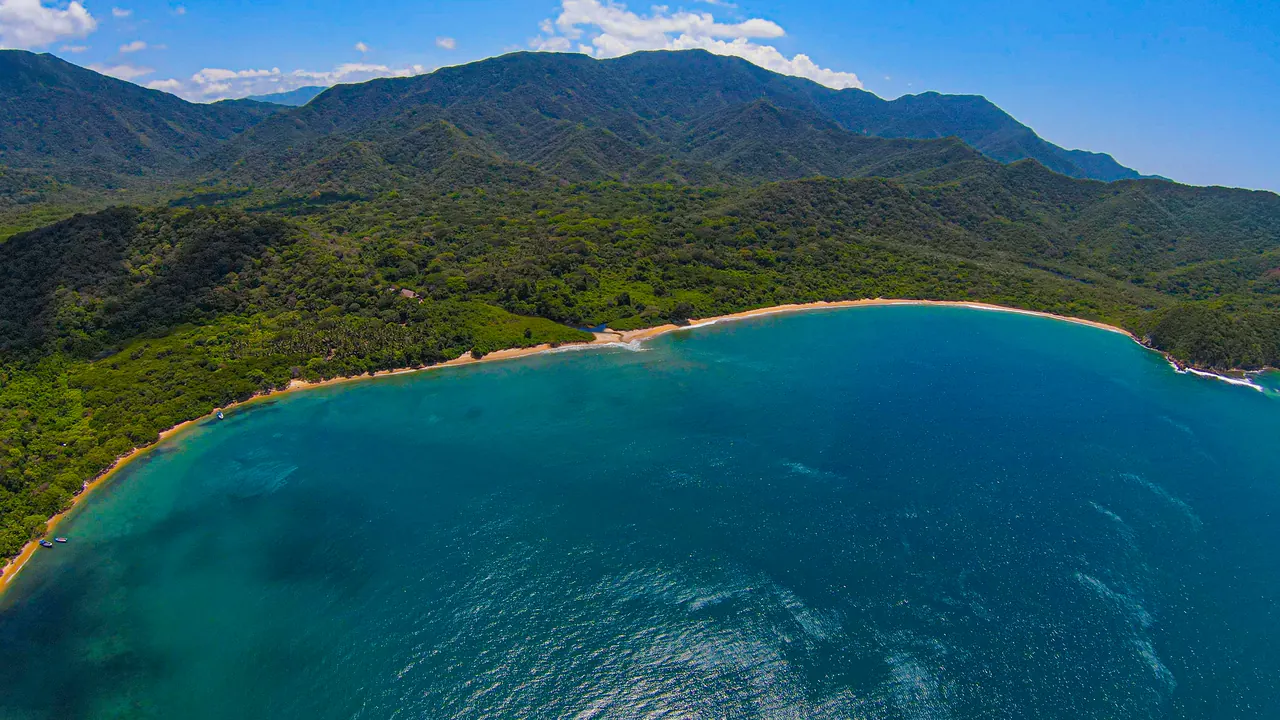
The aerial photos of motorboats and bays are spectacular, but flying a drone is subject to regulations. In Colombia, the civil aviation authority is Aerocivil: check its website for the current drone requirements before your trip, especially if you’re coming from abroad.
Also keep in mind:
- Within protected areas, such as Parque Tayrona, additional restrictions may apply. Check with National Parks before flying.
- Let the captains know before setting out from or near the lancha; they are familiar with the current wind conditions.
- Taking off and landing on a moving motorboat is difficult. If you don’t have experience, it’s best to do it from dry land, where permitted.
- Respect other people’s privacy on the beaches.
Composition ideas for each route
Each destination has its own photo. These ideas will help you move beyond the usual stock photos:
- Departure from the marina: the motorboat in the foreground with the buildings of Santa Marta in the background.
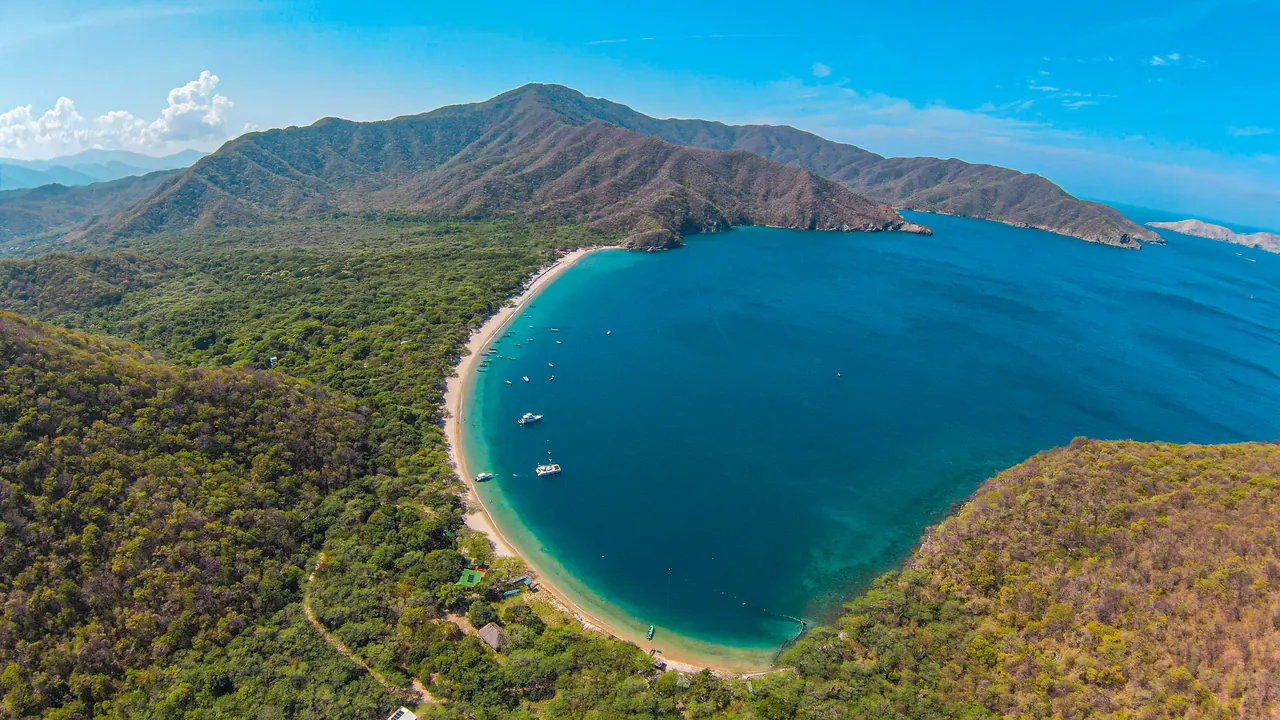
- Playa Cristal: the bow entering the beach and the crystal-clear water seen from above the gunwale. More in the complete guide to Playa Cristal.
- Cinto: the mountainous coastline of Tayrona and the green waters of the bay as seen from the water.
- Taganga: the fishermen’s motorboats in the bay.
- Playa Blanca: the green hills and the lighthouse in the background.
- On the water: the white wake behind the motorboat, photographed from the stern.
Remember that the beaches in Tayrona National Park can only be visited when the park is open; confirm the dates before planning your photos there.

Three composition rules that always work
- Straighten the horizon. At sea, a crooked horizon is immediately noticeable. Turn on the camera’s grid.
- Use the motorboat as a frame. The bow, the awning, or the railing add depth to the photo.
- Place people off to the side. Keeping the landscape in the center or in one-third of the frame makes the image more balanced.
Group photos and special moments
Only your group will be on a private motorboat, so there’s plenty of time to take photos without rushing. For group photos, ask everyone to stand at the stern or bow with the ocean in the background, and take several shots in a row. If you’re celebrating something special, like a proposal, read our guide to proposing on a motorboat at sunset for tips on how not to miss the moment.
And one last rule: put your phone away for a while. The best memories are often the ones that stay with you.

Frequently Asked Questions
What time of day is best for taking photos on a lancha trip?
In the morning and late afternoon, when the light is softest. Sunset is ideal for silhouettes and vivid colors.
Can I fly a drone during the trip?
Check the Aerocivil regulations and, if you’re in a protected area, the National Parks regulations. Always notify the captains before taking off.
How do I keep my cell phone from getting wet?
Use a waterproof cover with a drawstring and store it in a dry bag while the lancha is traveling at speed.
Is there a good spot on board for taking photos?
The bow and stern offer the best vantage points. Move only when the captains give the signal and the motorboat is moving slowly.
Ready to fill your gallery with Caribbean Sea photos? Message us through the reservations page and choose the route that looks best on camera.